Electric Constant Temperature Drying Oven Operating Guide
In industrial drying, curing, and heat treatment processes, proper operation of an electric constant temperature drying oven directly affects product quality, production yield, and batch consistency. In actual manufacturing environments, incorrect temperature settings, improper loading that blocks airflow, and loading materials before the oven is sufficiently preheated can easily result in uneven drying, unsatisfactory product performance, premature equipment wear, and potential safety hazards.
This guide provides a comprehensive overview of the operating procedures for an electric constant temperature drying oven, covering pre-startup inspections, temperature and timer settings, preheating and material loading, operation monitoring, safe shutdown, and troubleshooting. It helps operators establish standardized working practices while improving production efficiency, product quality, and equipment safety.
Table of Contents
- Three Essential Checks Before Starting the Oven
- How to Set Temperature and Timer Parameters Correctly
- Proper Preheating and Workpiece Loading Procedures
- Monitoring and Management During Oven Operation
- Workpiece Removal and Safe Oven Shutdown
- Common Operating Problems and Emergency Shutdown Conditions
- When Should You Choose a Customized Industrial Electric Drying Oven?
- Conclusion: Standardized Operation for Better Drying Results
1. Three Essential Checks Before Starting the Oven
1.1 Inspect the Oven and Surrounding Environment
Before starting the equipment, visually inspect the oven exterior, door sealing gasket, and internal shelves for deformation, damage, or material residue. A cracked or damaged door gasket can cause heat leakage and reduce temperature uniformity inside the chamber.
Make sure the oven is installed on a stable, level surface. Leave at least 30 cm of clearance between the rear and sides of the oven and nearby walls to allow sufficient ventilation and heat dissipation. Poor ventilation may cause electrical components to overheat.
Clean the interior chamber thoroughly and ensure that no tools, foreign objects, or leftover workpieces from previous production batches remain inside.
1.2 Check the Electrical Power Supply
Check the equipment nameplate and verify that the on-site power supply matches the oven's specified voltage, frequency, and number of phases. An incompatible power supply may damage heating elements or temperature controllers.
Inspect the protective grounding connection and make sure it is secure. Check that power cables are free from damage, compression, or exposed wires.
If you notice a burning smell or visible signs of electrical component damage before startup, do not energize the equipment. Have a qualified electrician inspect and resolve the problem first.
1.3 Confirm Material Compatibility
Confirm that the workpiece material and process requirements are compatible with the operating temperature range of the drying oven. Determine the maximum allowable temperature based on the material's heat resistance.
Standard electric drying ovens without explosion-proof modifications must not be used to process flammable or explosive materials, workpieces containing large amounts of volatile solvents, or substances that release toxic or hazardous vapors when heated.
For these applications, specialized explosion-proof equipment or other appropriately engineered solutions must be selected according to the material properties and process risk assessment.
2. How to Set Temperature and Timer Parameters Correctly
Step 1: Connect the Main Power Supply and Complete the Initial Check
Turn on the main power switch according to the equipment operating manual. Check whether the temperature controller and status indicators illuminate normally, and make sure no fault codes appear on the control panel.
For ovens equipped with a forced-air circulation system, you can start the circulation fan first and check whether the motor operates smoothly without unusual noise before proceeding with parameter settings.
Step 2: Set the Target Operating Temperature
Enter the temperature controller's setting interface, adjust the target temperature according to the process requirements, and confirm that the setting has been saved.
Operators should understand the difference between the following two commonly used temperature display values:
- PV (Process Value): The actual temperature currently measured inside the oven chamber.
- SV (Set Value): The target temperature preset by the operator.
New operators must distinguish between PV and SV to avoid mistakenly adjusting the actual temperature display instead of the target temperature setting.
Step 3: Configure the Timer Operating Mode
Selecting the correct timer mode is essential because different timing methods can significantly affect the actual processing time. Common timer modes include:
- Timer Starts Immediately: The countdown begins as soon as the equipment starts.
- Continuous Operation: The oven continues running until manually stopped.
- Timer Starts When the Set Temperature Is Reached: The countdown begins only after the chamber reaches the target temperature.
For drying and curing applications, the third mode is generally recommended when the process specification requires a defined holding time at the target temperature. This helps ensure that the workpieces receive the required thermal treatment time.
Also confirm what happens when the timer finishes. Depending on the controller configuration, the oven may automatically stop heating, activate an audible or visual alarm, or switch to standby mode.
Step 4: Double-Check All Process Parameters
Before activating the heating system, check the temperature unit (°C or °F), target temperature, timer mode, and process duration against the approved production instructions.
A final parameter check helps prevent production errors and potential accidents caused by incorrect temperature units, input mistakes, or inappropriate timer settings.
3. Proper Preheating and Workpiece Loading Procedures
3.1 Preheat the Oven When Required
Determine whether preheating is necessary based on the process requirements. For applications requiring high temperature accuracy and consistent drying results, preheating is essential.
Do not assume that preheating is complete simply because the PV reading has reached the SV setting. Small chamber ovens may require approximately 10–15 minutes of temperature stabilization, while large industrial drying ovens may require 30 minutes or longer, depending on their chamber size and thermal design.
Wait until the chamber temperature has stabilized within the required tolerance, such as ±5°C where applicable, and allow sufficient time for the chamber to reach a stable thermal condition before loading the workpieces.
3.2 Maintain Sufficient Airflow Clearance Between Workpieces
Always follow the oven's rated loading capacity. Overloading can deform shelves and interfere with hot air circulation.
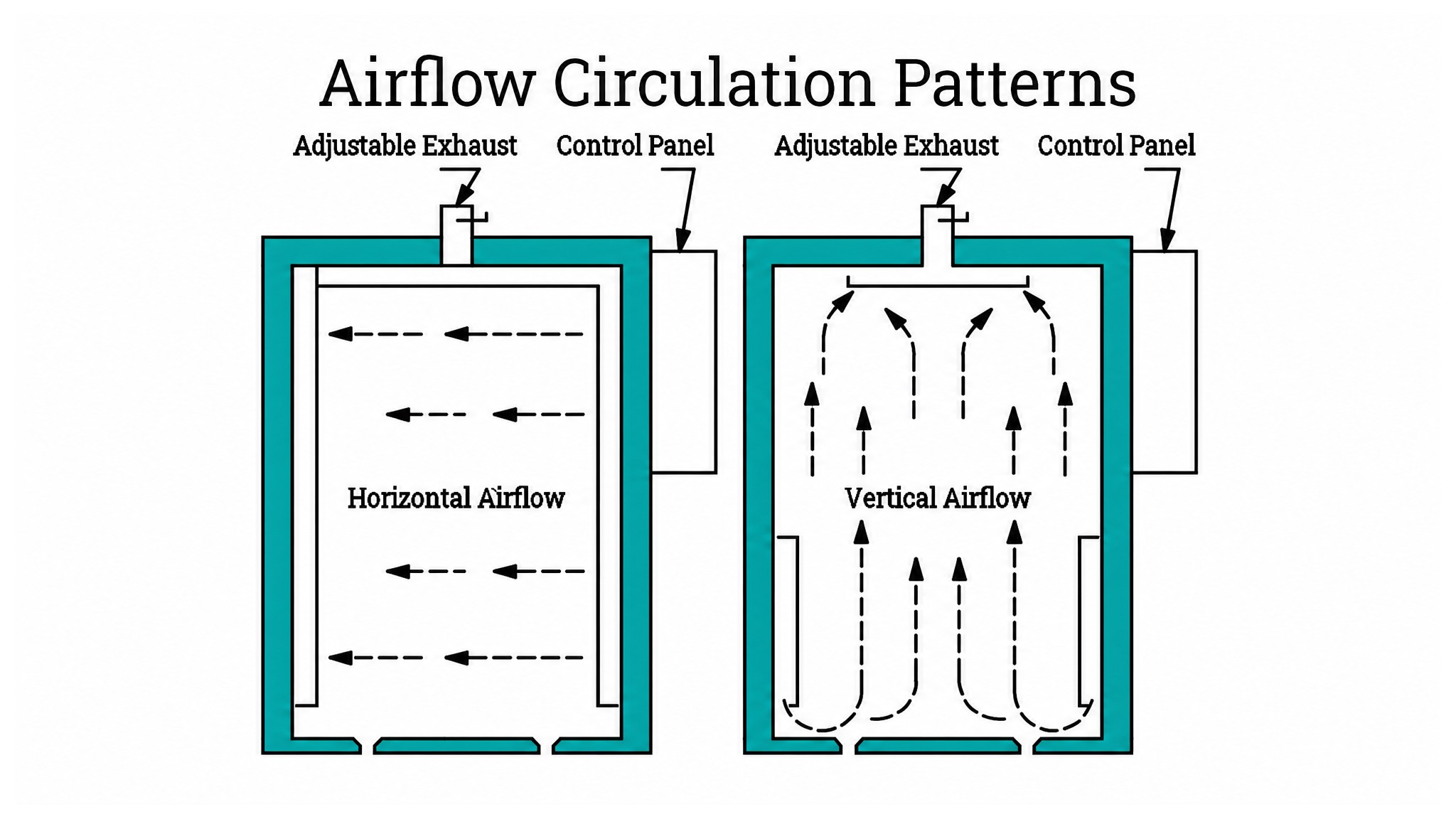
Avoid placing workpieces too close together. Never block the air supply or return air openings at the rear or bottom of the chamber. Sufficient clearance must be maintained to ensure smooth hot air circulation throughout the oven.
Whenever possible, use the original trays and shelves supplied with the equipment. Unapproved homemade fixtures may interfere with airflow distribution and affect drying uniformity.
3.3 Adjust Loading Density According to Workpiece Characteristics
Large solid workpieces and densely stacked materials generally require longer heating times. When loading multiple layers, arrange the workpieces with sufficient spacing and staggered positions to allow hot air to circulate through the material layers.
For newly introduced workpieces or unfamiliar materials, it is recommended to conduct a small-batch loading test first. Verify the heating time and drying uniformity before establishing a standardized loading procedure for mass production.
4. Monitoring and Management During Oven Operation
4.1 Monitor Temperature Changes in Real Time
During normal operation, the chamber temperature should gradually increase toward the target temperature and eventually stabilize within the specified tolerance range.
If the heating rate is noticeably slower than usual, check whether the oven door is properly closed, whether the door gasket is sealing correctly, and whether all heating elements are functioning normally.
If the temperature continues rising significantly above the set value, stop the equipment and inspect the temperature controller, sensor, and related control components before restarting.
4.2 Follow the Required Process Holding Time
Operators should clearly distinguish between three different time periods:
- Equipment heating time.
- Temperature stabilization time.
- Actual workpiece processing time.
The drying or curing duration specified in the process documentation usually refers to the holding time after the required temperature has been reached, rather than the total time since the oven was switched on.
Always follow the approved process instructions to determine the correct starting point for the processing timer.
4.3 Minimize Oven Door Opening During Operation
Frequently opening the oven door during operation can cause the chamber temperature to drop by approximately 10–20°C, depending on the chamber size and operating conditions.
The oven then needs additional time to recover its temperature, which increases the production cycle and may result in uneven heating of the workpieces.
If intermediate inspection is necessary, minimize the time the door remains open to reduce heat loss and temperature fluctuations.
4.4 Keep Accurate Production and Operating Records
It is recommended to record the following information for every production batch:
- Workpiece model and batch number.
- Target operating temperature.
- Actual temperature readings and fluctuations.
- Processing and holding time.
- Any abnormal operating conditions or corrective actions.
Complete operating records support product quality traceability and provide useful data for future process optimization.
5. Workpiece Removal and Safe Oven Shutdown
5.1 Confirm That the Processing Cycle Is Complete
Before removing the workpieces, check the process duration and temperature records to confirm that the entire batch has completed the required treatment.
Stop the heating program according to the operating procedure. Do not open the oven immediately just because the timer alarm has sounded. First confirm that the equipment has exited the heating cycle and that it is safe to open the door.
5.2 Remove High-Temperature Workpieces Safely
Always wear heat-resistant protective gloves when handling hot workpieces. Use suitable lifting tools or specialized fixtures when removing heavy components to prevent burns, dropping, or other handling accidents.
Freshly removed hot workpieces must not be placed directly on flammable surfaces. Move them to a designated heat-resistant cooling area and allow them to cool naturally.
Never pour cold water directly onto high-temperature workpieces for rapid cooling unless the process has been specifically designed and approved for such treatment.
5.3 Follow the Correct Shutdown Sequence
For equipment designed with a separate heating and circulation fan control system, the recommended shutdown sequence is:
- Turn off the heating system first.
- Allow the circulation fan to continue running for approximately 5–10 minutes, if permitted by the equipment design and operating manual.
- Turn off the circulation fan.
- Switch off the main power supply.
This procedure helps remove residual heat from the chamber and heating elements. Avoid directly cutting off the main power supply during normal shutdown if the equipment requires a controlled cooling sequence.
5.4 Clean and Maintain the Oven After Cooling
Wait until the chamber temperature has dropped below 60°C before performing internal cleaning and routine inspection, or follow the lower temperature limit specified in the equipment manual.
Never wipe heating elements or touch electrical components while the oven is still hot. This can cause burns, equipment damage, or electrical hazards.
6. Common Operating Problems and Emergency Shutdown Conditions
6.1 Quick Troubleshooting Guide
Problem 1: The Oven Cannot Reach the Set Temperature
First, check whether the oven door is properly closed and whether the sealing gasket is leaking air. Then inspect the heating elements and circulation fan to confirm that they are operating correctly.
Problem 2: Excessive Temperature Fluctuations or Poor Temperature Uniformity
Check whether the workpieces are blocking the airflow channels, whether the fan settings are suitable, and whether the temperature sensor is covered or improperly positioned.
Problem 3: The Timer Does Not Start
Verify that the correct timer mode has been selected. In a temperature-triggered timing mode, the countdown will not begin until the chamber reaches the preset temperature.
6.2 Situations Requiring Immediate Shutdown
If any of the following conditions occur during operation, stop the equipment immediately:
- A burning smell or visible smoke.
- Unusual mechanical noise or vibration.
- Electrical leakage or unexpected circuit breaker trips.
- Repeated equipment fault alarms.
- Uncontrolled temperature increases or other abnormal operating conditions.
Activate the emergency stop if appropriate, isolate the power supply when it is safe to do so, keep personnel away from the hazardous area, and notify qualified maintenance personnel.
Operators must never dismantle electrical control cabinets, bypass safety protection devices, short-circuit protective components, or modify control parameters to override alarms without proper authorization. Such actions may create serious safety risks.
7. When Should You Choose a Customized Industrial Electric Drying Oven?
7.1 Applications Where Standard Ovens May Not Be Suitable
Standard drying ovens may not meet the requirements of every industrial application. A customized industrial electric drying oven may be necessary in the following situations:
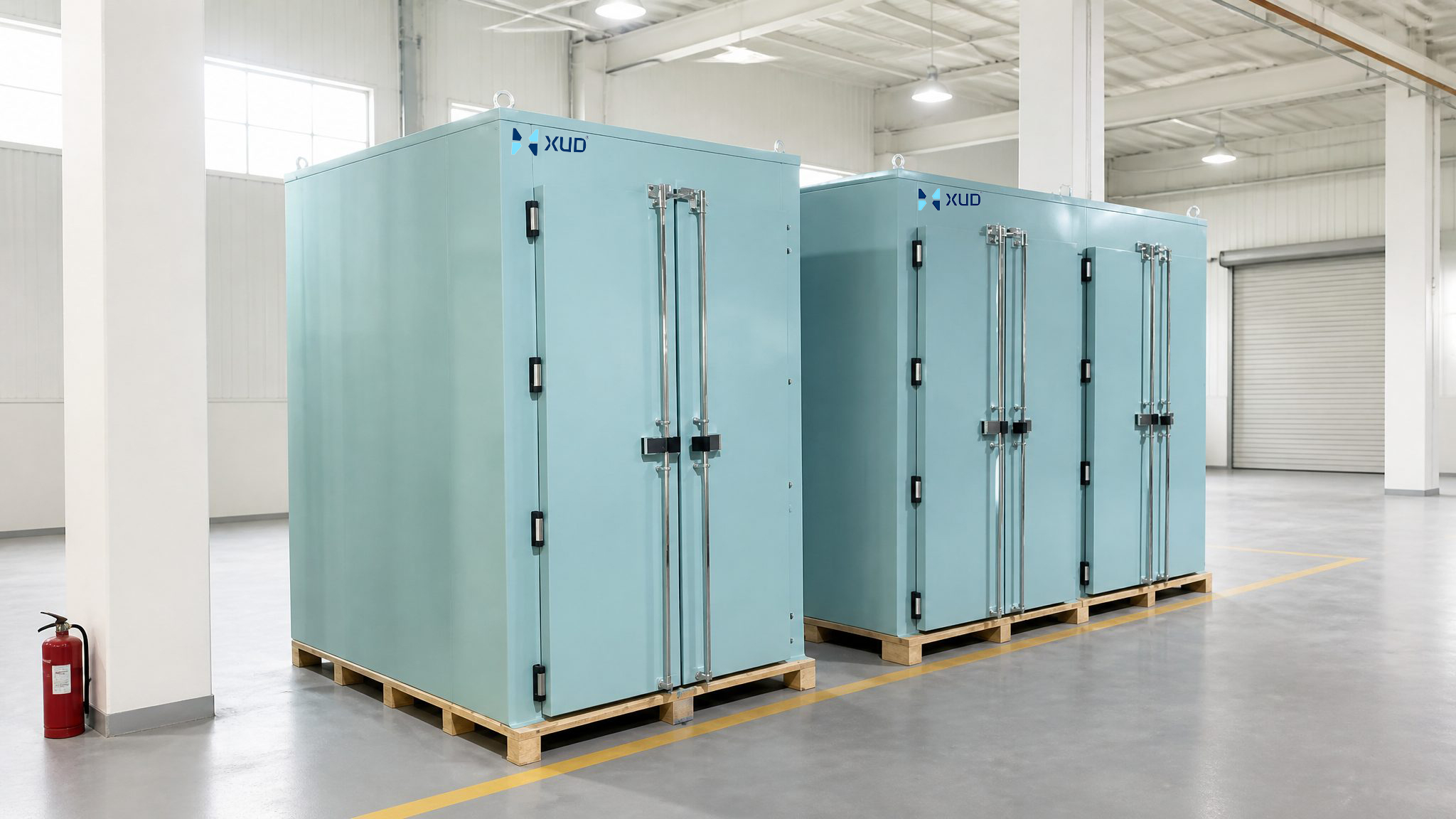
- The workpiece dimensions or batch loading capacity exceed the chamber size of standard models.
- The production process requires higher temperature control accuracy or better temperature uniformity.
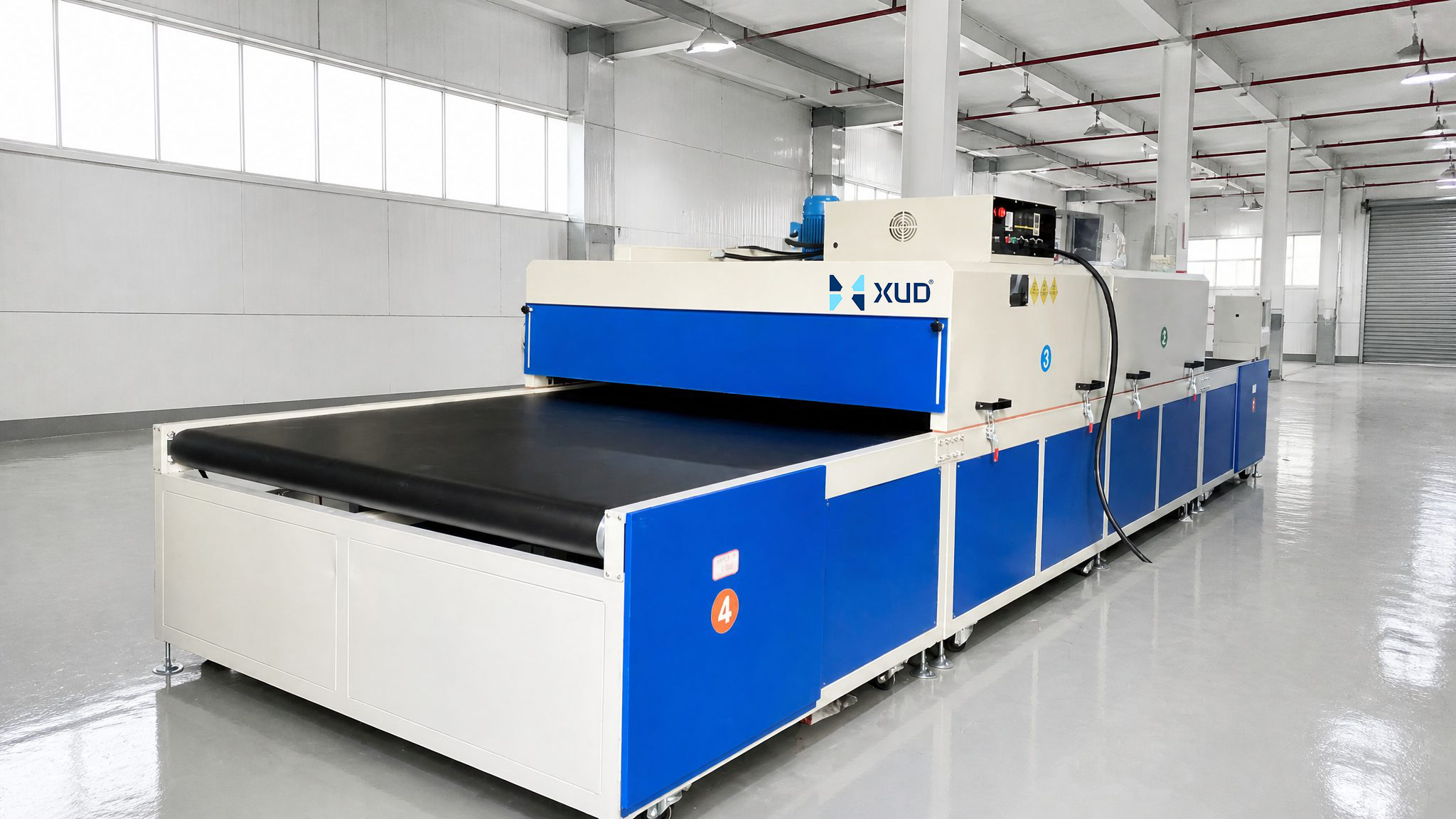
- The oven needs to be integrated into an automated production line.
- Special functions such as multi-stage temperature programming or process data export are required.
- Special chamber configurations, such as explosion-proof designs, cleanroom structures, or nitrogen protection, are needed.
In these applications, a customized oven design can provide a more suitable solution for the actual production process.
7.2 Information Required for a Customized Oven Solution
When contacting an industrial oven manufacturer for a customized solution, it is helpful to provide the following information:
- Workpiece dimensions, material, and weight.
- Required operating temperature and processing duration.
- Loading quantity and production capacity per batch.
- On-site electrical supply specifications.
- Available installation space and layout requirements.
- Special process requirements and optional equipment functions.
Providing these details allows the manufacturer to evaluate your application more accurately and recommend an appropriate oven configuration.
Conclusion: Standardized Operation for Better Drying Results
Proper operation of an electric constant temperature drying oven involves more than simply setting the temperature and starting the heating cycle. Pre-startup inspections, correct parameter configuration, sufficient preheating, proper workpiece loading, continuous monitoring, and safe shutdown all play important roles in achieving consistent production quality and extending equipment service life.
Dongguan Xinyuanda Machinery Equipment Co., LTD. specializes in the development and manufacturing of industrial electric drying ovens and customized industrial heating equipment. We provide standard electric drying ovens as well as customized solutions in various chamber sizes and configurations, supporting conventional industrial drying, precision curing, and other specialized manufacturing processes.
Whether you need a standard industrial drying oven or a customized heating solution, our team can evaluate your workpiece characteristics and production requirements to help you select suitable equipment for your application.
Dongguan Xinyuanda Machinery Equipment Co., LTD.
Industrial Drying Oven & Tunnel Furnace Manufacturer
WhatsApp: +86 18998007076
Email: annalan@xudoven.com
Website: www.xudoven.com
Contact us for industrial drying oven specifications, technical consultation, and customized equipment solutions.
Horizontal Airflow Oven vs. Vertical Airflow Oven
Related Article