How to Choose an Industrial Rubber Curing Oven for Rubber Components
How to Choose an Industrial Rubber Curing Oven for Rubber Components
The right oven is not simply the one with the highest temperature or largest chamber. It is the one that fits your products, loading method, heating requirements and actual production workflow.
Rubber components vary considerably in size, thickness, shape, weight and processing requirements. A compact rubber seal, a thick molded component and a large industrial rubber part may all require different heating conditions and loading arrangements.
When purchasing a rubber curing oven, manufacturers often begin by comparing chamber dimensions, maximum temperature or heating power. These specifications are important, but they do not always reveal whether the equipment will work efficiently with the actual production load.
A more practical approach is to evaluate the oven from the product outward: what needs to be heated, how the products will be arranged, how heat reaches the loaded batch, and how the process can be repeated from one production cycle to the next.

What Are You Actually Heating?
The oven design should begin with the rubber products—not with a standard chamber size. Product dimensions, thickness, weight, shape and material requirements determine how the batch should be arranged and how heat needs to be delivered.
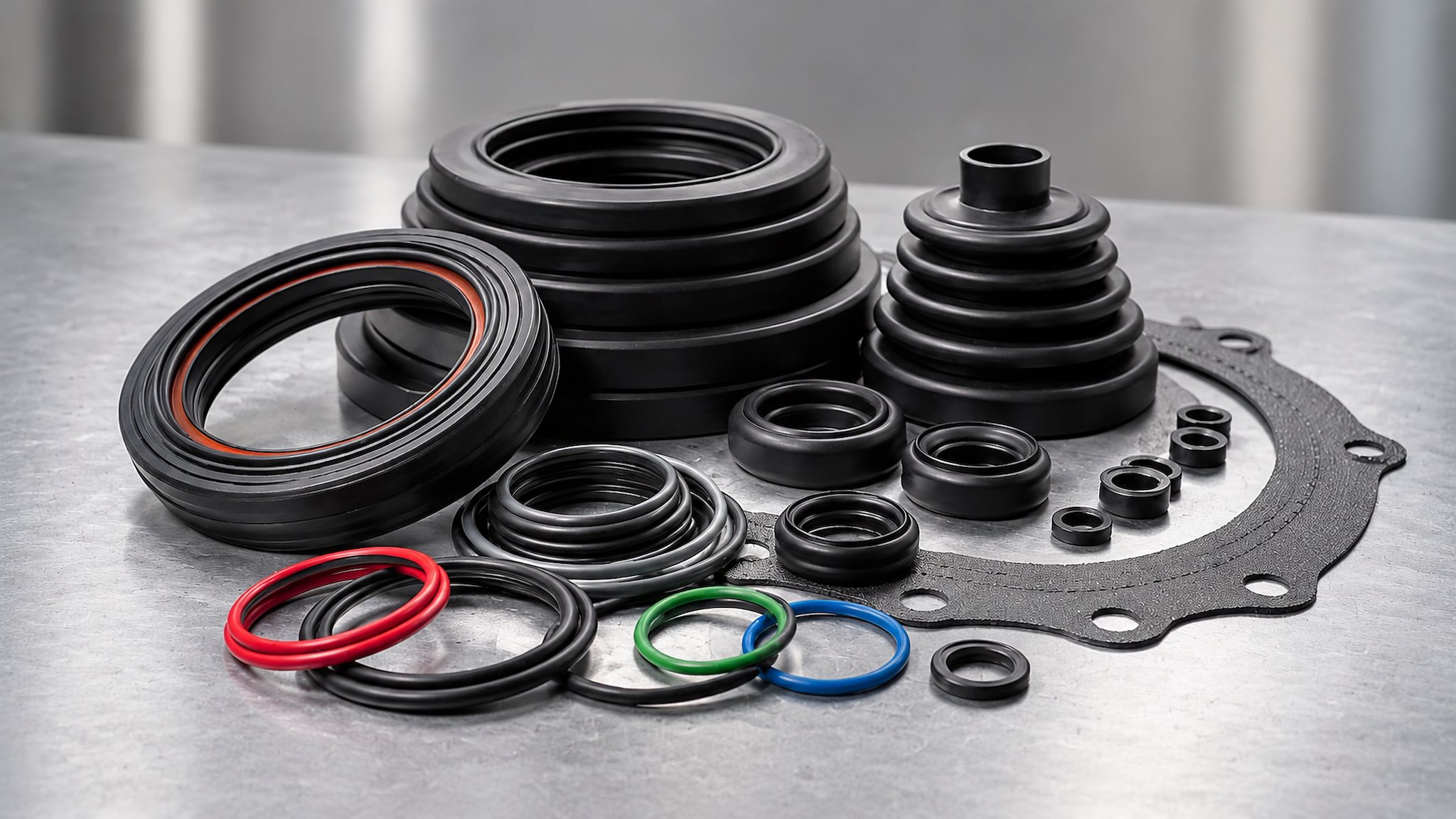
Before discussing equipment specifications, identify the products that will be processed most frequently and those that create the greatest loading or heating challenge.
Small Components
Seals, gaskets and compact molded parts may allow tray-based loading, provided spacing and airflow are not restricted.
Thick Components
Thicker or heavier rubber parts may require more careful consideration of heating time, support structure and process verification.
Irregular Shapes
Large or irregular products may need custom racks, dedicated positions or trolley loading to simplify handling.
The product that is hardest to load or heat may determine the oven configuration—even if it is not the product you manufacture most often.
Identify your most demanding product before finalizing chamber dimensions, rack spacing or heating specifications.
Chamber Volume Is Not the Same as Usable Capacity
A large oven chamber may appear to offer more production capacity, but the available space cannot always be filled with products. Tray dimensions, shelf spacing, loading clearance, circulation paths and operator access all reduce the usable loading area.
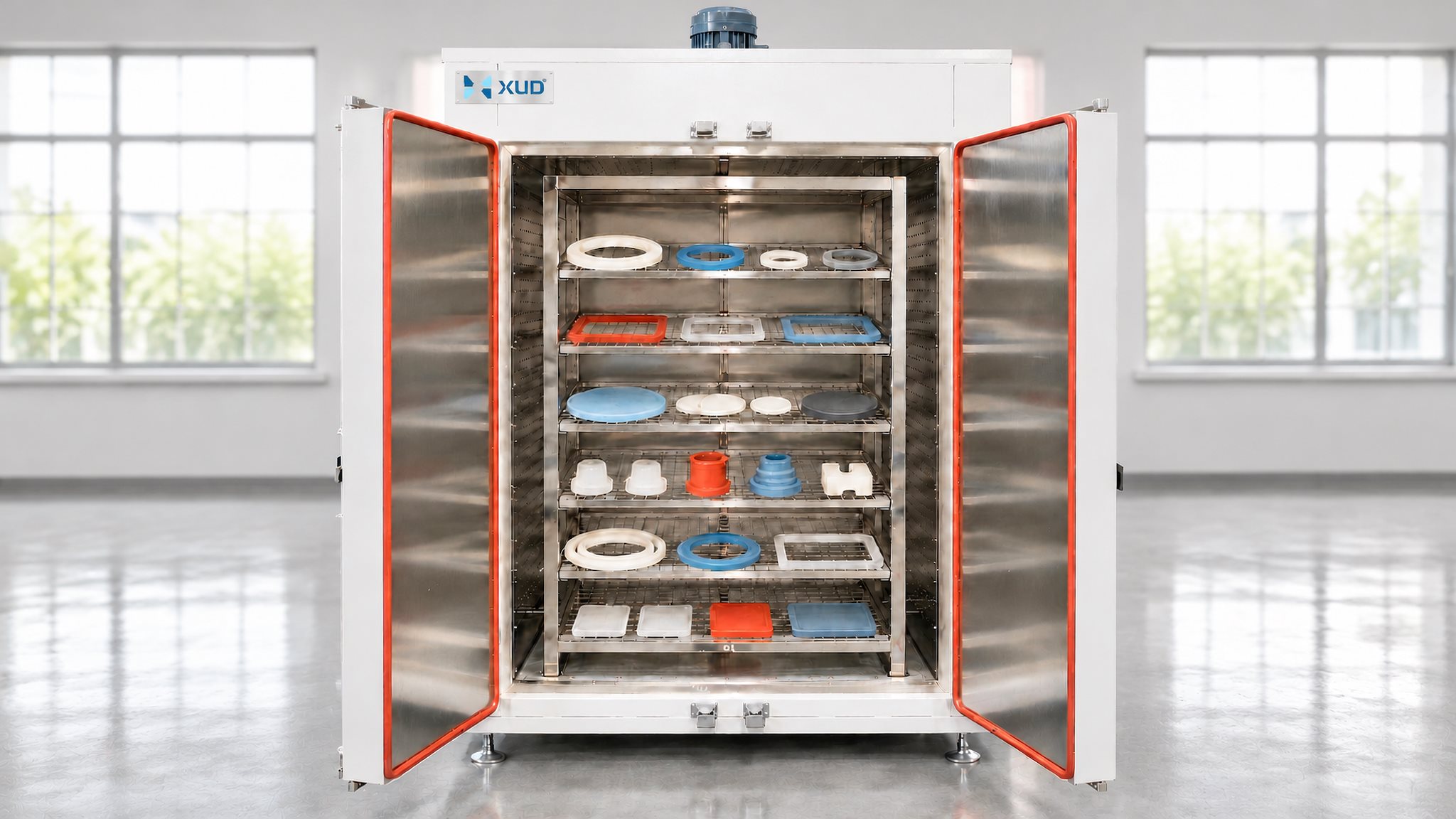
How much space remains after accounting for trays, supports and circulation clearance?
How many products can be loaded without excessive stacking or restricted airflow?
How many batches can be completed within available working hours, including loading, heating, unloading and turnaround time?
For example, a factory producing small rubber seals may be able to use multiple tray levels. However, a manufacturer processing bulky molded components may need more space between products and fewer loading levels. The same external oven dimensions can therefore produce very different practical batch capacities.
When estimating production, consider the complete cycle—not just the heating period. Loading, preheating, temperature holding, cooling or handling time may all affect how many batches can be completed during a shift.
How many products can we process per batch under a repeatable loading arrangement, and how many batches can our production schedule realistically accommodate?
Temperature Is a Process Requirement, Not a Marketing Number
When comparing rubber curing ovens, maximum temperature is often one of the first specifications buyers check. However, a higher maximum temperature does not automatically make an oven better suited to the application.
The more important questions are whether the oven can operate at the required process temperature, maintain the intended conditions, accommodate the heating cycle and support the process defined for the rubber material.
The air temperature setting required by the process.
The time needed to meet the specified process conditions.
The actual thermal condition inside or at relevant locations of the product, when required by the process.
Rubber products with different thicknesses may heat at different rates. A chamber reaching its set temperature does not necessarily mean the center of a thick product has reached the required temperature.
For processes with strict thermal requirements, the heating cycle should be confirmed through appropriate testing and process validation. Product material, formulation, shape and loading conditions can all influence the result.
Provide the target temperature, heating duration, rubber material and any product-level temperature or process acceptance requirements. These details are more useful for oven design than simply specifying a maximum temperature.
Airflow Design and Product Arrangement Must Work Together
Hot air circulation is used in many industrial ovens to distribute heat throughout the chamber. Yet airflow cannot be evaluated independently from the products placed inside the oven.
Trays, racks, dense product arrangements and large components change the available airflow paths. If loading blocks supply-air outlets or return-air channels, the circulation pattern may be affected. Simply increasing the number of trays or packing more products into the chamber may create a less favorable heating condition.
Check These Before Increasing Batch Size
- Product spacing on each tray
- Clearance between trays and shelves
- Air supply and return-air access
- Loading density across different chamber areas
- Whether products obstruct one another
- Whether the loading arrangement can be repeated consistently
A practical oven design should consider the intended batch layout from the beginning. If the customer can provide a sample loading sketch, product photographs or tray arrangement, the manufacturer can evaluate chamber dimensions and airflow structure with more realistic assumptions.
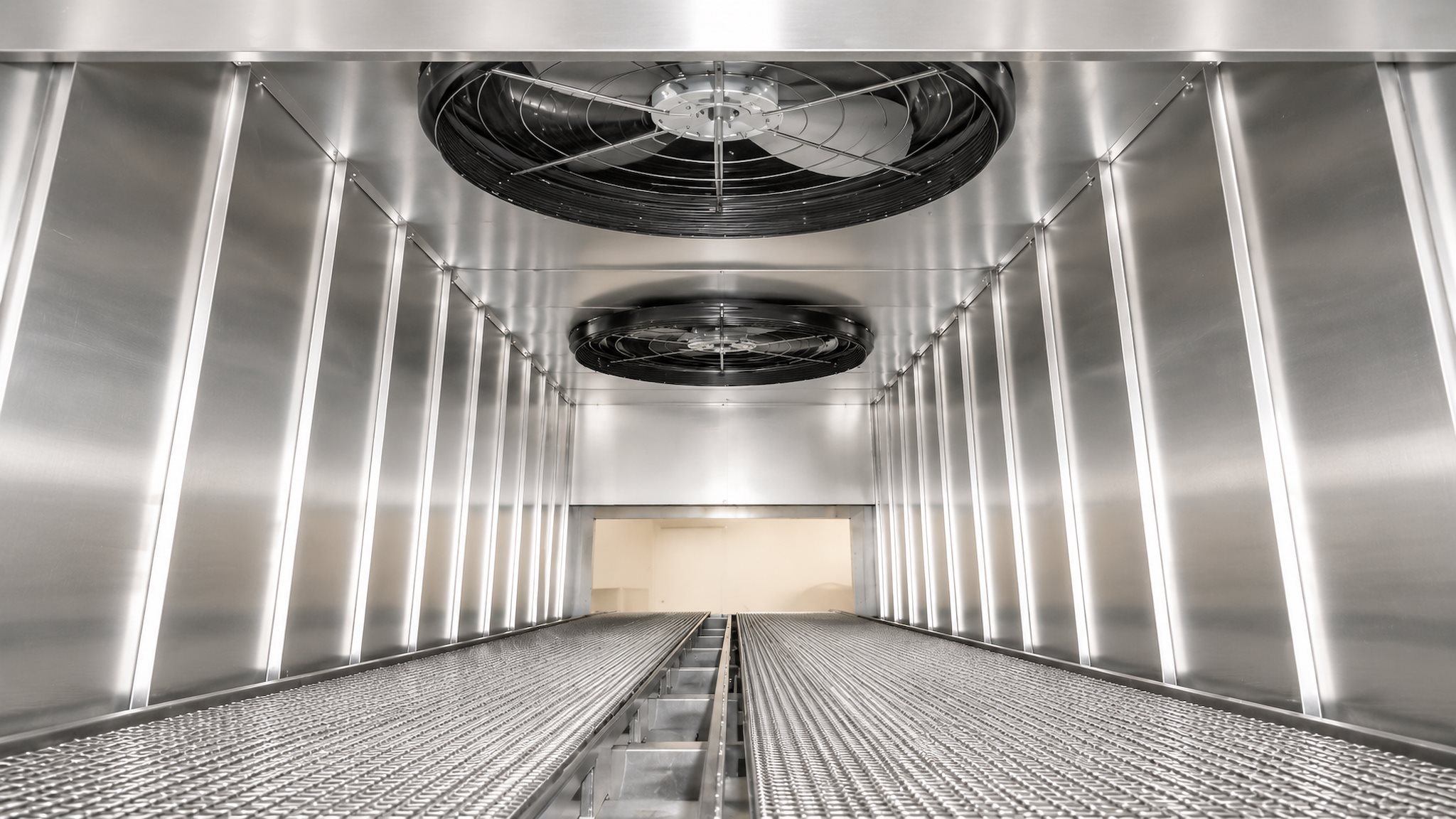
Air circulation is not just a fan specification. The interaction between the circulation system, chamber geometry and loaded products is what matters during production.
Electric or Gas Heating: Which Fits Your Factory?
Electric and gas heating are both possible options for industrial rubber curing ovens. The choice should be based on the factory's energy infrastructure, required heating performance, operating schedule, installation conditions and energy costs.
Energy cost comparisons should be based on actual operating conditions. Heating duration, batch frequency, insulation, target temperature, energy tariffs and production hours can all influence long-term running costs.
For customers operating several batches per day, it may be useful to estimate energy consumption per batch or per production shift rather than compare heating sources using energy prices alone.
Choose a Loading System That Matches Your Workflow
The loading structure determines how products enter the oven, how they are positioned during heating and how quickly the batch can be removed. It also influences usable chamber capacity and operator workload.
Tray Loading
Suitable for small components and organized multi-layer loading, subject to product spacing and airflow needs.
Rack Loading
Useful for repeatable product positions, dedicated supports or parts that should not be stacked.
Trolley Loading
Can simplify batch transfer when products are heavy, loading quantities are large or handling time is important.
The best arrangement is not necessarily the one that holds the most products. It should allow products to be loaded safely, maintain the required spacing, provide reasonable access and support a repeatable production routine.
When loading and unloading take a significant amount of time, the handling system deserves the same attention as the heating system. A trolley oven, for example, may improve workflow by allowing products to be arranged outside the chamber before a batch is transferred inside.
Design for Repeatability, Not Just One Successful Batch
For industrial production, a satisfactory result from one batch is not enough. Manufacturers need operating conditions that can be repeated across multiple batches and production days.
Variations in loading quantity, product position, starting temperature, tray arrangement, heating duration and door opening frequency may influence the process. If operators load products differently every time, the oven may be operating under different conditions even when the same temperature setting is used.
A Repeatable Loading Pattern Is Part of the Heating Process
Standardizing product positions, batch quantity, tray spacing and cycle settings helps reduce avoidable differences between production runs. Equipment design should make that routine practical for operators.
For process-sensitive applications, manufacturers should define the relevant acceptance criteria and validate the heating cycle using representative products and loading conditions. Depending on the process, this may include temperature measurement, product inspection or other appropriate quality checks.
A Practical Rubber Curing Oven Buyer Checklist
Preparing the following information before contacting an oven manufacturer can make equipment evaluation more efficient and help reduce unnecessary specification changes.
What to Prepare
Product photos, drawings, dimensions, weight, material and shape
Required temperature, heating time, process purpose and acceptance criteria
Products per batch, expected batches per shift and production schedule
Tray, rack or trolley preference; loading and unloading requirements
Available floor space, door access, power supply, gas availability and exhaust requirements
Control preferences, monitoring requirements and any relevant quality documentation
You do not need to have every specification finalized before starting a discussion. Product photos, approximate dimensions, target temperature and batch quantity are often enough to begin evaluating a preliminary design.
The Best Rubber Curing Oven Is Designed Around the Production Reality
A suitable industrial rubber curing oven should match the products being processed, the actual batch loading, thermal requirements, airflow conditions, energy source and factory workflow. Evaluating these factors together provides a more reliable basis for equipment selection than comparing chamber volume or maximum temperature alone.
Industrial Rubber Curing Oven
Explore customized oven solutions for rubber components, molded parts, seals and other compatible industrial heating applications.
VIEW PRODUCT DETAILS →Have a Rubber Heating Application?
Share your product dimensions, batch quantity and process requirements with us. We can help evaluate the chamber size, loading arrangement, heating method and circulation configuration for your application.
WhatsApp: +86 18998007076
Email: annalan@xudoven.com
How to Choose a Curing Oven for Carbon Fiber Composite Panels
Related Article